

Lots of data is collected across different services, but it often sits unused in separate systems. That was one of the key themes that stood out for us at this year’s National Children and Adult Services Conference (NCASC) in Liverpool.
We were delighted to spend Thursday 12 November with our partners at 31ten Consulting at NCASC 2026. It was a packed day full of insightful discussions and fresh perspectives about the future of children’s services, including the impact of SEND reforms.
Our very own Steve Preston and Joe Miller joined the conference, organised by the Association of Directors of Adult Social Services (ADASS), the Association of Directors of Children’s Services (ADCS) and the Local Government Association (LGA), to chat about all things SEND reform.
With Alan Milburn’s review of young people who are outside education, employment or training (NEETs) due to be published on Tuesday 17 November, the themes we discussed at the conference, including joined-up services, better use of data and support for young people, feel particularly timely.
A few key themes really stood out during the day.
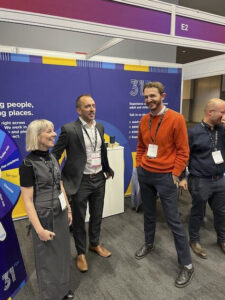
At the 31ten Consulting stand at NCASC 2026, Liverpool
Partnership and integration are key
It’s important that local areas share data across administrative boundaries and with other local providers, including the NHS and schools.
The importance of partnership work stretches beyond data and should also include a shared culture, priorities and processes.
Bringing information together, analysing it and presenting it in meaningful ways could make a real difference to decision-making and services for young people.
Looking beyond the numbers
Despite significant amounts of data gathered, there is a gap when it comes to lived-experience outcomes like a young person’s wellbeing and sense of belonging. But it’s imperative we understand these experiences that are harder to measure.
Steve Preston attended a session with #BeeWell, which surveys the wellbeing of secondary school pupils each year. We think an approach like this could also help assess the impact of the SEND reforms.
Learning from others and thinking creatively
With local authorities facing growing need and increasingly complex challenges, there is a lot to be gained from shared learning and exploring approaches beyond the local area.
This is one of the reasons Mime established its free-to-join SEND Benchmarking Club for local authorities, and something members tell us they particularly value.
Joe Miller joined a session with speakers from Wales, Scotland and Northern Ireland about what we can learn from different approaches in the delivery of social care.
We also heard from an alternative provision setting, sharing how they use creative interventions like spoken word poetry and photography to help young people build the confidence they need to return to mainstream education.
Turning evidence into action
Joe Miller spoke with Foundations, the national What Works Centre for Children and Families.
We discussed how, in some areas including parenting young people with SEND, there is already a strong evidence base of what works.
The challenge is making sure that evidence reaches the people who need it and giving practitioners the tools and confidence to understand and use it.
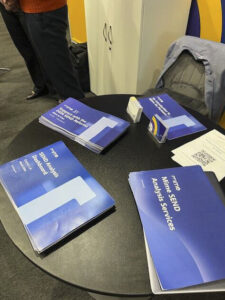
Mime SEND resources at NCASC 2026
No local authority needs to tackle challenges in isolation
Throughout the day, alongside the 31ten Consulting team, we had some great conversations about SEND reform, local government data and social care.
Get in touch to find out more about joining the SEND Benchmarking Club. Through the Club, members can:
- Compare SEND trends, provision plans and projected costs with other local authorities.
- Identify emerging challenges and opportunities for improvement.


